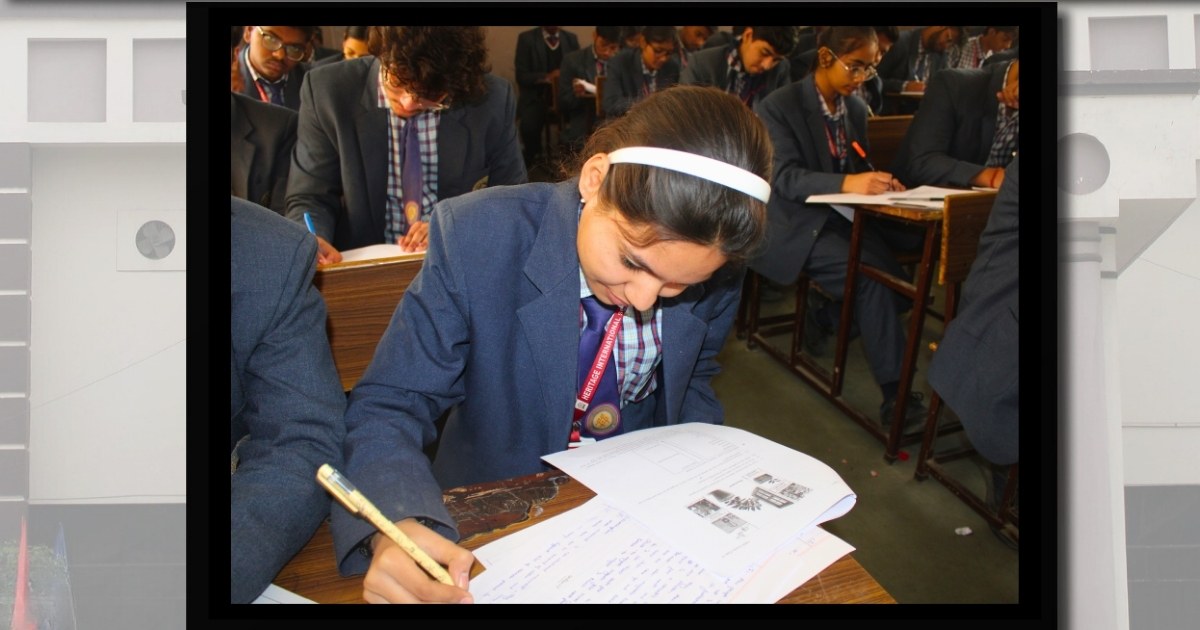
Same Classroom, Different Learners: Why Differentiation Matters
The Reality Inside Every Classroom
When you walk into any classroom, you will see a wide range of students. Some students are sure of themselves and answer questions quickly. Others pause because they aren’t sure they understand. Some people stay quiet and slowly lose interest when things go too fast for them.
This range of things is normal; it’s how learning settings work. Each child comes to school with a range of skills, experiences, and amounts of self-confidence. Even so, many classrooms still use the same way of teaching for everyone: the same explanation, exercise, and speed.
Teachers may help some students while leaving others struggling or feeling detached when they only use one method to teach. It’s not that the kids aren’t trying hard enough. A lot of the time, the hardest part is expecting everyone to learn in the same way.
Realizing these differences is the first thing that needs to be done to make sure that every student feels like they belong and can succeed in the classroom.
What Differentiation Really Means
Differentiation doesn’t mean giving each kid a different lesson. Instead, it means changing how lessons are taught so that all students can understand the same basic ideas.
Differentiation is not about changing what kids learn, but about changing how they learn and how they show they understand.
Through differentiation, teachers can:
help kids who require extra help,
Challenge advanced students in the right way,
increase the interest of learners who are hesitant,
set up a learning space where everyone feels welcome.
Differentiation is seen as a flexible way to teach at Heritage International School, Aligarh. It takes into account how each student learns differently while still meeting the school’s overall academic goals.
The Three Foundations of Differentiation
To differentiate well, you need to know about your kids in three main ways.
Get Ready
This has to do with how ready a student is to understand something. Some students need organized help, while others are ready to think more deeply. Figuring out how ready a student is helps teachers give the right amount of support and challenge.
Interest
When students learn something that is related to their interests or real-life situations, they are more interested in it. When content has meaning, it simply gets more attention and motivation.
Profile of Learning
Each student takes in knowledge in their own way. There are people who learn best by seeing things, talking, or doing things with their hands. Teachers can reach more students by teaching in ways that fit their students’ preferred ways of learning.
Teachers can make learning situations that meet the needs of all students without lowering academic standards by keeping these three things in mind.
Practical Strategies Teachers Can Use Daily
Differentiation doesn’t need a lot of complicated planning. Small changes made on purpose can make a big difference in how engaged and knowledgeable students are in the classroom.
Quick Readiness Checks
Start each lesson with a short question from the last subject. This helps figure out who is ready to move on and who needs more help.
Give people choices to get them more involved.
Giving people choices helps them take charge of their own learning. The students may
explain a concept through a story or a real-life example,
Write down a description or draw a picture,
Make a poster or speak briefly in answer.
Allow more than one way to respond.
Students should be able to show they understand in ways that work best for them:
Responses in person,
written work, talks with a partner,
Presentations by small groups.
Free-form Grouping
Switching between working alone, with a partner, and in a small group helps students support each other while also encouraging freedom.
These methods make sure that learning stays open and easy while still meeting common learning goals.
Same Question, Different Paths to Understanding
One of the best things about variety is that it lets students find different ways to reach the same goal.
For example, during a lesson on environmental conservation:
One student could write a statement about how pollution happens,
Someone else might make a visual ad,
Two students may talk about problems in their area’s surroundings and suggest ways to fix them.
Each student works on the same idea, but shows that they understand it in a way that fits their skills.
This method motivates students to be involved in their own learning while keeping the level of difficulty high.
Teaching to Reach Every Learner
When differentiation is a normal part of teaching, classes become places where all students feel supported.
The benefits are clear:
more people participating and feeling confident,
stronger involvement from students who don’t want to learn,
to keep advanced kids motivated,
better classroom environment,
students will feel like they fit more.
It’s not enough to just teach things; education is also about making sure that every child learns. When teachers adapt to students’ different levels of readiness, interest, and learning style, they make classes where everyone feels welcome and where students can grow with confidence.